Why Is My Tree Losing Bark? Common Causes and What to Do
Bark is more than a tree’s outer coat. It moves water and nutrients, insulates living tissue and seals out pests and fungi. So when strips, patches or sheets of bark peel away, it is worth working out why. Some bark loss is harmless—plane, birch and eucalyptus shed naturally—but sudden peeling, loose plates or exposed wood usually points to stress, injury or disease. The key is to identify the cause before you reach for a saw or a treatment.
Start With How the Bark Is Coming Away
Before you diagnose, look at the pattern. Is the bark flaking in small curls, or has a large sheet come away? Is it on one side of the trunk, around the base, or high in the crown? Is the exposed wood pale and dry, dark and damp, or covered in fungal growth? Take photos from a few angles and note the date.
Natural shedding tends to be even and thin, with healthy wood beneath. Problem bark loss is often localised, fast and accompanied by other symptoms: dying twigs, thinning leaves, weeping sap, sawdust or a musty fungal smell.
Natural Shedding vs. Problem Bark Loss
Not every peeling trunk is in trouble. Some species have bark that exfoliates as part of normal growth. Birch, eucalyptus, sycamore, shagbark hickory and some maples shed outer layers in papery curls or plates. The tree underneath remains firm, moist and intact. If the peeling is uniform, seasonal and there is no dieback, you can usually leave it alone.
Problem bark loss looks different. It may appear suddenly after a storm, heatwave, drought or construction project. The bark may be loose enough to lift with your hand, or it may fall in large slabs. You might see exposed sapwood, dark staining, insect holes or fungal conks. In these cases, the bark is not simply renewing itself—it is being killed or separated from the wood.
Common Causes of Bark Loss
Sunscald and Winter Injury
On cold, sunny winter days, bark on the south or southwest side of a tree can warm up, then freeze rapidly after sunset. The repeated expansion and contraction can kill the cambium, the thin layer of living cells just under the bark. The damaged bark may crack, peel or fall away in spring. Young trees, thin-barked species like maples and fruit trees, and trees with poor bark insulation are most at risk. Frost cracks—long vertical splits—often begin this way and can reopen for years.
Mechanical Damage
Lawnmowers, string trimmers, vehicles, bicycles, stakes and construction equipment are common causes of bark loss. A single string-trimmer strike can remove a strip of bark near the base. If the damage rings the trunk, it can girdle the tree and cut off the flow of nutrients. Construction damage is often worse than it looks: soil compaction and root severing may kill roots first, and bark loss appears later as the tree declines.
Wildlife and Rodent Damage
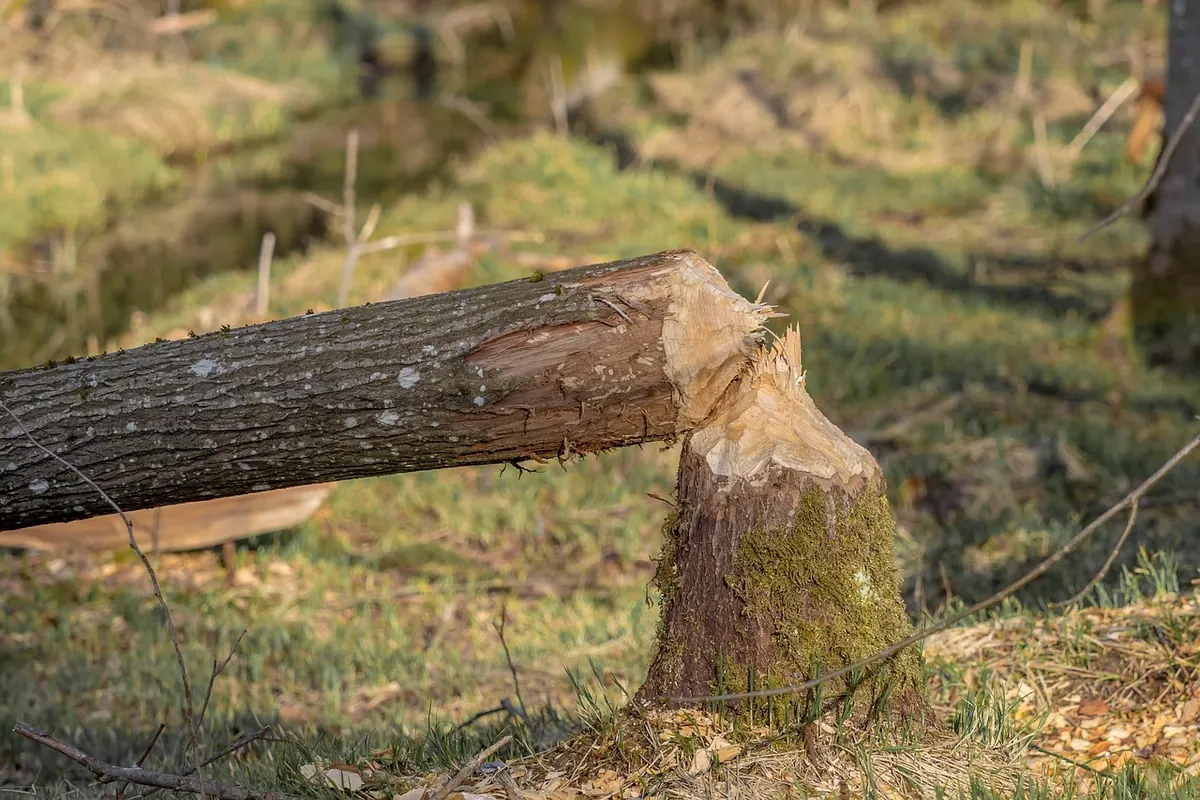
Rabbits, voles, mice, deer and squirrels can strip bark. Rabbits and voles often gnaw near the base in winter, leaving small tooth marks and exposed wood. Deer rub their antlers on young trunks, shredding bark in patches. Squirrels may peel bark to reach sap or to build nests. If the gnawing goes all the way around the trunk, the tree may not survive.
Insects and Borers
Bark beetles, borers and ambrosia beetles tunnel just beneath the bark. Their feeding disrupts water and nutrient movement, and the bark may loosen, crack or fall off in flakes. Look for small round or D-shaped exit holes, sawdust-like frass, weeping sap, or tiny tubes of pitch. Emerald ash borer, Asian longhorned beetle and various pine bark beetles are serious examples. By the time bark is falling, an infestation may be advanced, so professional diagnosis matters.
Fungal Cankers and Root Rot
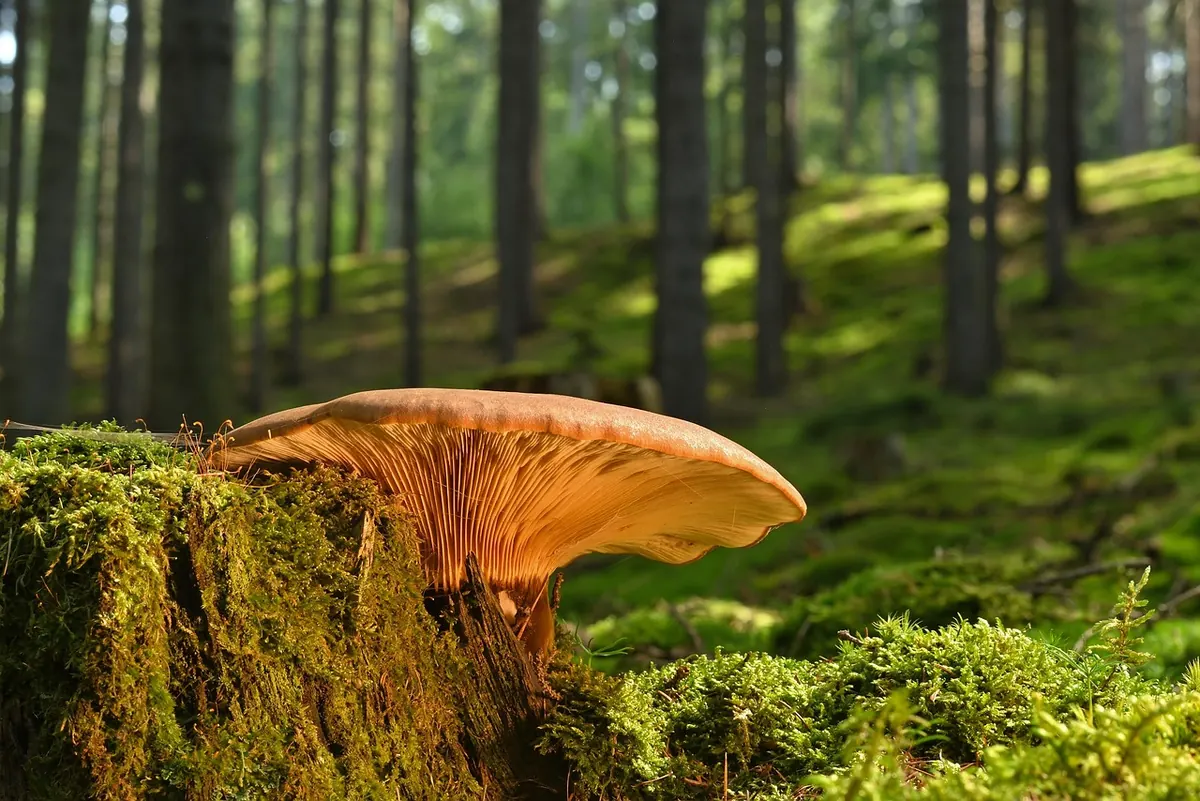
Fungal and bacterial cankers create dead, sunken areas on trunks and branches. The bark over a canker may crack, peel or fall away, revealing dark or discoloured wood. Species such as Cytospora, Hypoxylon and Nectria can attack stressed trees. Root rot, including Armillaria and Phytophthora, can kill roots and the lower trunk; bark may become loose near the soil line, and mushrooms or fungal fans may appear. Trees with root rot often show thinning crowns before bark loss is obvious.
Environmental Stress and Root Problems
Drought, flooding, heat, soil compaction, grade changes and girdling roots all weaken trees. When roots cannot supply enough water and nutrients, the tree may shed bark as tissues die. Transplant shock can also cause bark to split or peel on young trees. In many cases, bark loss is a symptom of a root problem, not a trunk problem, so look at the whole tree and the soil around it.
Chemical Injury
Herbicide drift, improper use of weed killers, and salt spray or road salt runoff can damage bark and cambium. Symptoms may include cankers, split bark, distorted growth and dieback. Injury is often worse on the side facing the chemical source. Always read product labels and keep herbicides away from trunks and root zones.
What to Do When You Find Losing Bark
- Identify the pattern and timing. Note whether the loss is natural, sudden, localised or widespread. Take photos and check for pests, fungal growth, sap, sawdust or dieback.
- Do not tear off healthy bark. You can carefully remove loose, dead bark to inspect the wood, but stop before you pull away bark that is still attached. Wounds need a clean edge, not a larger one.
- Do not paint or seal wounds. Tree wound dressings are generally not recommended. They can trap moisture and interfere with the tree’s natural compartmentalisation.
- Prune dead branches correctly. Make clean cuts outside the branch collar. Sterilise tools between cuts if disease is suspected.
- Reduce stress. Water deeply during dry periods, mulch with 2 to 4 inches of organic mulch, and keep mulch a few inches away from the trunk. Avoid fertilising a severely stressed tree unless a soil test recommends it.
- Protect the trunk. Use guards or fencing against rabbits and deer, and keep mowers and string trimmers away from the base.
- Monitor and reassess. New callus tissue around a wound is a good sign. Expanding dead areas, fungal conks or crown dieback are not.
When to Call a Certified Arborist
Call a certified arborist if the damage covers a large part of the trunk, if the tree is mature or valuable, if bark is loose near the root flare, if you see fungal conks or mushrooms, or if the tree is dropping limbs. An arborist can assess structural stability, identify pests and diseases, and recommend pruning, treatment or removal. If a tree near a house, road or power line is losing bark and wood, safety should come first.
How to Protect Trees Going Forward
- Choose species suited to your climate and soil.
- Plant at the correct depth and avoid burying the root flare.
- Water deeply and less often to encourage deep roots.
- Mulch widely, but not against the trunk.
- Avoid soil compaction, grade changes and digging near roots.
- Prune lightly and at the right time of year.
- Inspect trees after storms and during seasonal changes.
If bark is falling from a large, mature tree and the exposed wood is damp, dark or crumbly, treat it as urgent. That combination often means the tree is losing structural wood, not just its outer layer.
Bark loss is a symptom, not a diagnosis. By looking at the pattern, checking for other signs and addressing the underlying cause, you can give your tree the best chance to recover—or make an informed decision if it cannot.
Photo: blickpixel / Pixabay