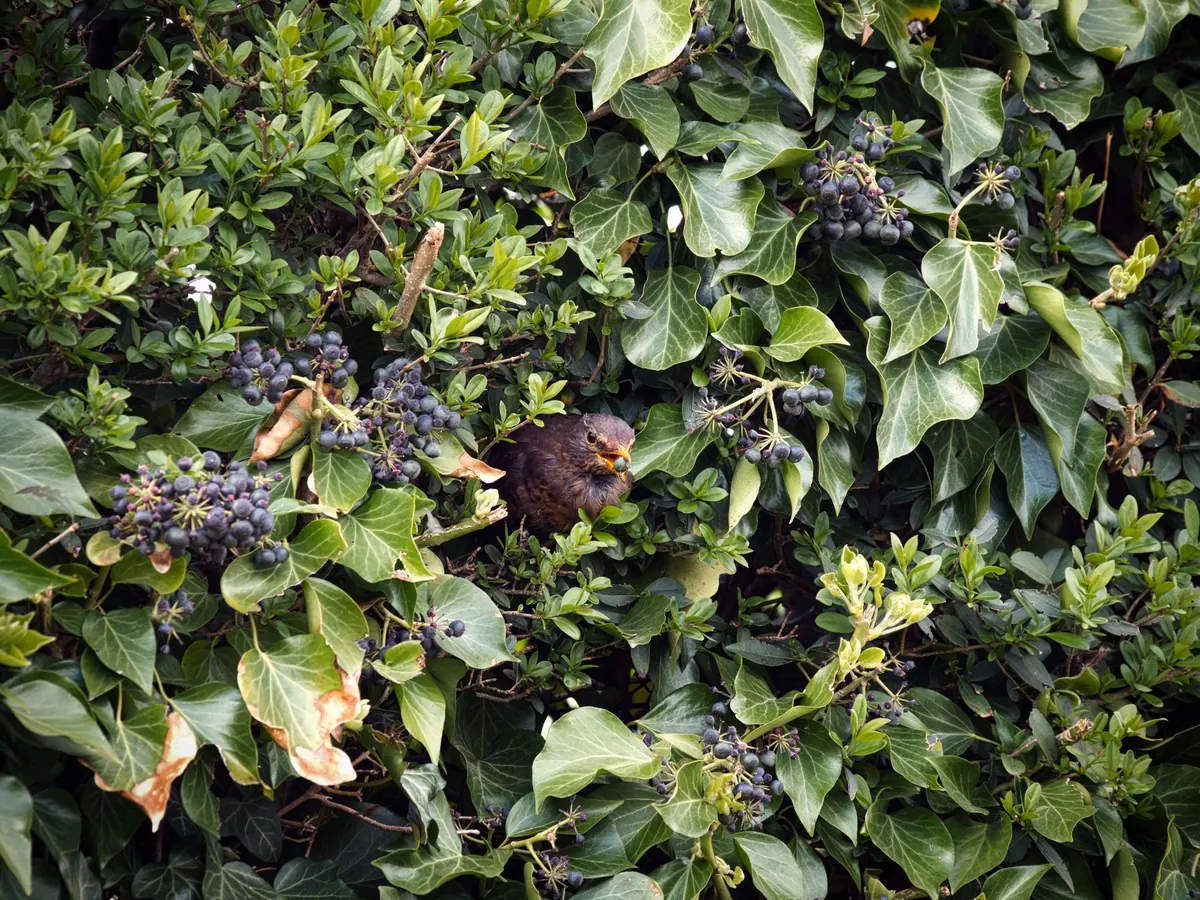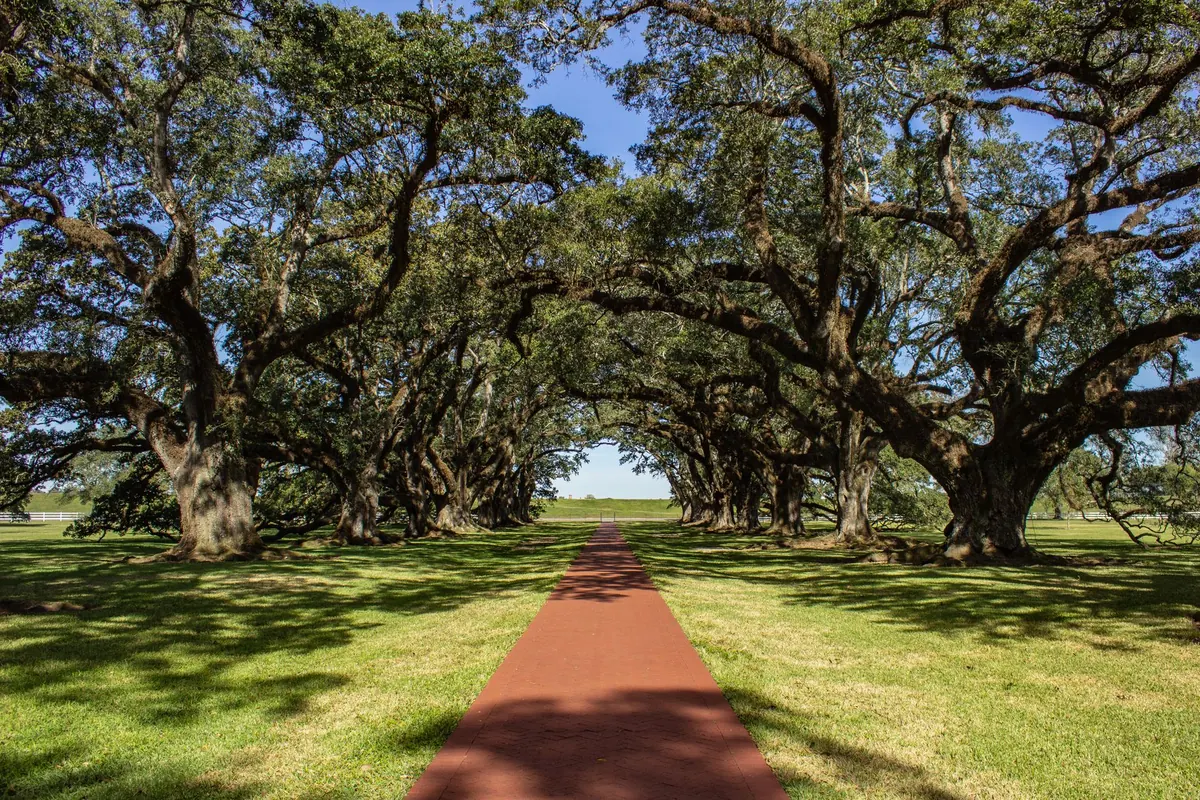
A mature oak at the end of your garden can feel like part of the family. It shades the patio, shelters the house from prevailing winds and gives the local birds somewhere to argue. So it comes as a shock when a letter from the council arrives, or a neighbour mentions that the tree is "protected", and you realise you cannot simply pick up a saw whenever you like.
Tree Preservation Orders cause a fair amount of confusion, and much of it is understandable. The rules differ slightly across England, Scotland, Wales and Northern Ireland, the paperwork can be buried deep in council websites, and the consequences of getting it wrong are more serious than most people expect. Here is what actually matters if you own land with trees on it.
What a Tree Preservation Order actually does
A Tree Preservation Order, usually shortened to TPO, is a legal designation made by a local planning authority to protect an individual tree, a group of trees or a whole woodland. The order makes it an offence to cut down, top, lop, uproot, wilfully damage or wilfully destroy a protected tree without the council's written consent.
Note the wording carefully. It is not just felling that needs permission. Even routine pruning that would normally be harmless can breach an order if it is done without consent, and that includes work you might consider tidying rather than tree surgery. A light trim of low branches over a path is still work on a protected tree.
The purpose of a TPO is not to freeze a tree forever. It is to make sure that anything significant happening to it is considered properly, with the tree's amenity value and its contribution to the local landscape taken into account. Trees die, become unsafe and sometimes need to come out. The order simply means that decision goes through a process rather than being made unilaterally by whoever owns the land.
How to find out whether a tree is protected
Never assume. Some of the most expensive mistakes in this area start with an owner being certain that "there was never anything on this house". Orders can be made at any time, and older ones are sometimes poorly recorded on deeds.
Your first port of call is the local planning authority for the area where the tree stands. Most councils publish an interactive map on their website where you can search by address or postcode and see TPO areas and conservation areas overlaid. If the map is unclear, phone the planning department or email them with the address and a description of the tree. Ask for written confirmation either way, because a verbal "I think it's fine" is worth very little if a complaint later lands on someone's desk.
You can also check the following:
- The council's online TPO register, where orders are listed by address, tree species and date.
- Conservation area status, which brings its own protections and is often missed.
- Your title deeds and any documents from when you bought the property, which may mention an order even if the council's map is unclear.
- Planning history on the council's portal, where past applications for tree work are recorded.
If you are buying a property with notable trees, it is sensible to make these checks before exchange rather than after. A local tree surgeon with experience in the area can often tell you within minutes whether a tree is likely to be covered, but they cannot give you a definitive answer. Only the council can do that.
Conservation areas: the rule people forget
Separate to TPOs, many older residential streets and village centres fall within a conservation area. In these areas, trees above a certain trunk diameter are protected by default, even when no individual order exists. The exact threshold and the notification period vary between the nations of the UK, so check with your council rather than relying on a figure you read once.
In practice this means you usually have to give the council notice in writing before doing work, describing what you intend to do and why. If they do not respond within the set period, you may be able to proceed, but that is a detail worth confirming directly rather than assuming.
When you need permission, and how to apply
If a tree is covered by a TPO and you want to fell it, prune it or carry out any work that goes beyond the exemptions, you will need to apply to the council for consent. Applications are usually made on a standard form, and most authorities now accept them online.
A strong application includes:
- The location of the tree, ideally marked clearly on a plan.
- The species, size and current condition, with photographs.
- A clear description of the proposed work, using recognised terms rather than vague ones.
- The reason for the work, whether that is safety, disease, light, structural damage or something else.
- Supporting evidence where relevant, such as a report from a qualified arboriculturist.
Councils generally have a set period to decide, and they may approve the work as applied for, approve it with conditions, or refuse. If a tree is dead, dying or dangerous, there are exemptions that allow urgent work, but "dangerous" is a higher bar than most people think, and you should document the situation thoroughly, take photographs and tell the council as soon as possible. Cutting first and explaining later is a poor strategy.
What happens if you get it wrong
Carrying out unauthorised work on a protected tree is a criminal offence. Penalties can include substantial fines, and in serious cases the court can require the planting of a replacement tree. Councils can also serve enforcement notices requiring remedial work, and some authorities pursue cases years after the event.
There is also a practical consequence that catches people out: a protected tree that dies or is removed unlawfully may have to be replaced with another tree of an appropriate species and size. That replacement is often protected too.
If you are unsure whether a tree is protected, stop and check. A week spent waiting for a council reply is far cheaper than defending enforcement action.
Practical steps before anyone starts work
Before booking a contractor, confirm the tree's status in writing with the council, and keep that confirmation. Ask the tree surgeon to provide a written specification of the work, including species names and pruning points, and make sure it matches what was approved. Check that they hold appropriate insurance, including public liability cover, and ask whether they have dealt with TPO applications before. A good contractor will raise the question of protection themselves, before they quote.
If the tree is exempt because it is dead or genuinely dangerous, keep records: dated photographs, a written note of the hazard and any professional opinion obtained. Tell the council promptly, even if the work has already been done in an emergency.
Finally, remember that TPOs are a planning matter, and rules differ across England, Scotland, Wales and Northern Ireland. If a tree is causing structural damage to a building, or a dispute with neighbours is developing, take advice from a qualified arboriculturist or a solicitor before acting. Getting the paperwork right at the start keeps a protected tree doing what it does best: standing quietly at the end of the garden.
Photo: Hugo Magalhaes / Pexels