Some of the best trees in British gardens began as a bundle of roots and a bare stem, bought in January and planted in the rain. A bare-root tree is lifted from the field while it is dormant, so it travels without soil around its roots. That makes it light to carry, kind on the wallet, and available in a range of native and heritage varieties that potted stock rarely matches.
Get the planting right and the tree barely notices the move. Get it wrong, and it can sulk for two or three seasons. The good news is that the whole job takes an afternoon, and most of the skill lies in the preparation.
Why bare-root trees establish so well
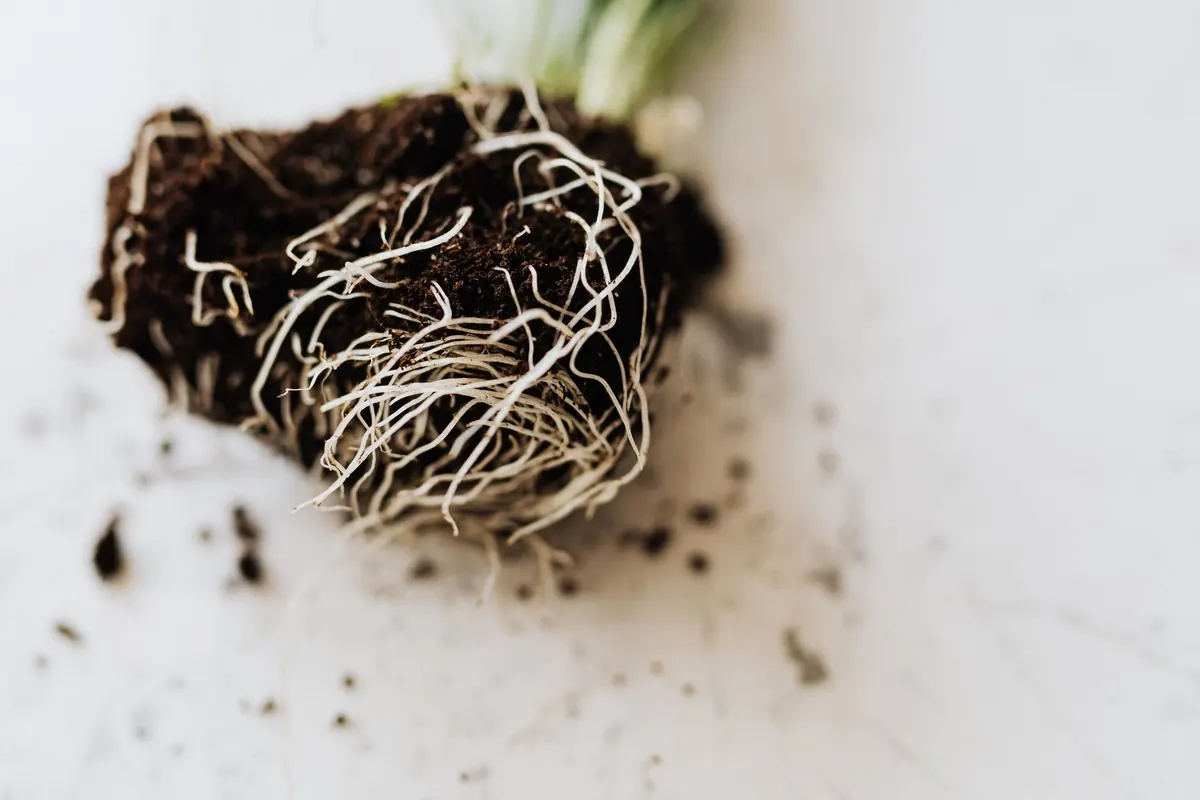
When a tree is grown in a pot, its roots circle the inside of the container. Unless you tease them out at planting, they tend to keep going round in the ground. A bare-root tree arrives with its roots spread out naturally, and once it is in the soil those roots reach straight into the surrounding earth. There is no potting compost to dry out and no plastic ring of roots to untangle.
The trade-off is timing. Bare-root stock is only lifted and sold between late autumn and early spring, while the tree is asleep. Evergreens, and anything you want to plant in June, are better bought rootballed or container-grown.
Choosing a tree that will thrive
Match the tree to the spot
Before you order anything, check the mature height and spread of the tree you have in mind. A modest whip can turn into something 12 metres tall, and pruning will not keep a large species small in the way most people hope. Think about light, soil type, drainage and how close the tree will sit to a house, wall, drain or boundary. If you are planting within a few metres of a building or over services, it is worth taking advice from a qualified arboriculturist before you commit.
What to look for at the nursery
- Roots: plentiful fine roots, still moist, not dry and brittle or black and mushy.
- Stem: firm and clean, with no wounds, rubbing branches or dead tip.
- Balance: a top roughly in proportion to the roots. A huge head on a poor root system will struggle.
- Age: a one or two-year-old whip usually settles in faster than a bigger, older tree.
- Health: no suckers shooting from below the graft, no signs of pests or disease.
Order early in the season for the best choice, and plant as soon as the tree arrives. If that is not possible, heel it in: dig a shallow trench, lay the roots along it, cover them with soil and keep the area damp. Never let bare roots dry out in a shed or garage.
Timing the planting
November and early December are ideal, while the soil is still holding some warmth. Roots will make a little growth before the coldest weather, which gives the tree a head start in spring. February and early March work well too, particularly on heavy clay that sits wet through midwinter.
Wait if the ground is frozen, covered in snow or genuinely waterlogged. Planting into a cold, soggy hole is far more damaging than waiting a fortnight.
Preparing the ground
Clear a circle at least a metre across of grass, weeds and couch roots. Dig the hole wider than it is deep — roughly three times the spread of the roots — and fork the base and sides so the roots can push out easily. The hole only needs to be as deep as the roots require. Look for the soil mark on the stem where the tree was growing in the field, and set that mark level with the surrounding ground. On heavy clay, plant two or three centimetres high to allow for settling.
Resist filling the hole with bags of rich compost. Roots can end up circling inside the pocket of luxury rather than reaching into the native soil, and the ground can sink as the compost settles. Improving the whole planting area, or mulching generously on top, works better.
Planting, step by step
- Unwrap the tree and inspect the roots. Trim any that are broken or damaged with sharp secateurs, but leave healthy roots alone.
- Stand the roots in a bucket of water for a few hours before planting. Not days — roots can drown as easily as they can dry out.
- Set the tree in the hole on a small mound of soil, spreading the roots outwards. Lay a cane across the hole to check the level of the soil mark.
- Backfill in stages, firming gently with your heel around the roots as you go. You are closing air pockets, not building a patio.
- Water thoroughly, even if rain is forecast. Two full watering cans settles the soil around the roots.
- Mulch 5–7cm deep over the root zone, keeping it clear of the trunk by about 10cm.
- Stake only if the site is exposed or the tree is tall. Use a short stake or two stakes either side, and check the ties every few months.
- Fit a spiral guard or mesh if rabbits, deer or strimmers are a risk.
Watering and the first year
Water deeply, not often
The first summer decides how well the tree settles. Through dry spells, give a young tree one or two full watering cans once a week, poured slowly so it soaks in. Little and often encourages shallow roots. A tree planted near a wall or hedge needs watering even after rain, because those neighbours take the moisture first.
Keep the grass back
Grass and weeds compete fiercely with young roots for water and nutrients. Keep a metre-wide circle clear for at least two years, and top up the mulch each spring.
Leave the secateurs alone
There is an old habit of pruning a new tree hard to "balance" it with the roots. It usually does more harm than good. Remove only broken or crossing branches, and leave formative pruning for a year or two, once you can see how the tree is growing.
A simple first-year routine
Plant by mid-March at the latest, then spend the rest of the year doing very little. Water weekly in dry spells from April to September. Check ties and guards monthly, and firm the soil gently after a hard frost if the roots have lifted. Watch for rabbits stripping bark in winter and aphids on soft new growth in early summer.
After that, a bare-root tree mostly looks after itself. Give it space, water in the early years, and the patience to grow at its own pace — and you will have a tree that outlives the fence, the shed and probably the patio you are planning next.